
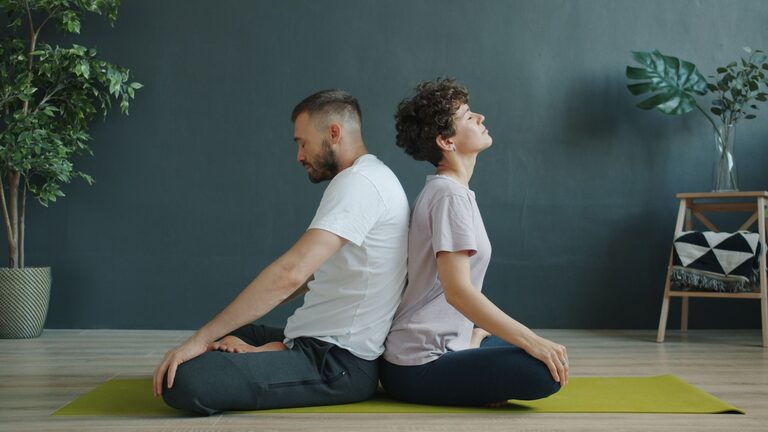
Mindful breathing breaks are simple pauses that help you reconnect with the present moment. Instead of rushing from one task to the next, you take a few minutes to notice your breathing, relax your body, and create a clearer transition between activities.
You do not need special equipment, a quiet retreat, or a large amount of free time. A mindful breathing break can last 30 seconds or several minutes. The goal is not to breathe perfectly or empty your mind. It is simply to pay attention to the natural rhythm of your breath.
What Is a Mindful Breathing Break?
A mindful breathing break is a short period when you intentionally focus on your breathing. You notice the air moving in and out, observe how your body feels, and gently return your attention whenever your mind wanders.
Breathing happens automatically, so it gives you an easy point of focus. You can practice almost anywhere, including:
– At your desk
– Before starting a meeting
– During a commute break
– While waiting in line
– After finishing a difficult task
– Before moving on to your evening routine
These pauses can be especially useful when your day feels busy or divided into many small tasks.
Why Start With Breathing?
Breathing is always available and does not require planning much in advance. It can help create a clear break between activities and encourage you to slow down for a moment.
Mindful breathing is also beginner-friendly because there is no need to memorize a long routine. You can begin by noticing one inhale and one exhale. From there, you can gradually extend the practice if it feels comfortable.
Remember that the purpose is attention, not performance. You are not trying to control every breath or achieve a special state. You are practicing the skill of noticing what is happening right now.
How to Begin a Simple Breathing Break
Follow these steps for a basic one-minute practice:
1. Choose a comfortable position
Sit, stand, or remain where you are. Let your shoulders rest naturally and place both feet on the floor if you are seated.
There is no need to sit in a particular pose. Choose a position that allows you to stay comfortable and reasonably alert.
2. Notice your surroundings
Take a moment to observe where you are. Notice the surface supporting you, the sounds around you, and the feeling of your clothing.
This brief check-in can help you shift attention away from the task you were just doing.
3. Bring attention to your breath
Notice where you feel your breathing most clearly. You might feel movement in your chest, abdomen, or the area around your nose.
Do not force the breath to become deeper or slower. Simply observe it as it is.
4. Count a few breaths
If your attention is easily distracted, count each exhale from one to five. Then begin again at one.
For example:
– Inhale naturally
– Exhale and count one
– Continue until five
– Start again
If you lose count, gently return to one. Losing focus is normal and gives you another opportunity to practice returning.
5. End with a clear transition
After one minute, notice how you feel. You may take one final comfortable breath, look around, and return to your next activity.
A mindful break does not have to feel dramatic. Even a small pause can mark the transition from one part of your day to another.
Keep the Practice Comfortable
Beginners sometimes assume that mindful breathing requires large, slow breaths. That is not necessary. Try to keep your breathing easy and natural.
A few helpful guidelines include:
– Avoid forcing a particular breathing pattern.
– Keep your jaw, shoulders, and hands relaxed.
– Stop or return to normal breathing if you feel uncomfortable.
– Practice in a position that feels stable and supported.
– Focus on gentle awareness rather than trying to achieve a result.
If focusing on breathing feels distracting, choose another simple anchor, such as the feeling of your feet on the floor or the sounds in the room.
Try Different Lengths
There is no single correct length for a breathing break. Start with a duration that feels realistic for your schedule.
Thirty-second break
Use this when you are moving between tasks. Take two or three natural breaths and notice your posture, surroundings, and current level of energy.
One-minute break
This is a useful starting point for a regular routine. Count several breaths or follow the movement of each inhale and exhale.
Three-minute break
Use a longer pause when you have more time. Spend the first minute settling in, the second minute observing your breath, and the final minute preparing to continue your day.
The best duration is one you can repeat consistently. A short practice that happens regularly may be easier to maintain than a longer session that feels difficult to schedule.
Build Breathing Breaks Into Your Day
Rather than waiting until you remember, connect your breathing break to an activity you already do. This is sometimes called using a routine reminder.
You could practice:
– Before opening your email
– After completing a work block
– Before eating lunch
– When you return home
– Before beginning household tasks
– After turning off your phone at night
Choose one or two reminders at first. Once the practice becomes familiar, you can add more breaks if you want.
You can also use visual reminders. Place a small note near your monitor, set a gentle calendar reminder, or use a routine event—such as filling a water bottle—as a prompt to pause.
What to Do When Your Mind Wanders
A busy mind does not mean you are doing the practice incorrectly. Thoughts, plans, memories, and sounds will naturally appear.
When you notice that your attention has wandered:
- Recognize that your mind has shifted.
- Avoid criticizing yourself.
- Return your attention to the next breath.
- Continue for another moment.
The return is the practice. Each time you notice distraction and come back, you are strengthening your ability to direct attention gently.
It may help to label distractions in a simple way, such as “planning,” “remembering,” or “hearing.” Then return to the breath without trying to follow the thought.
Common Beginner Mistakes
A few expectations can make breathing breaks feel harder than they need to be.
Trying to clear your mind
Mindfulness is not about having no thoughts. It is about noticing thoughts without automatically following each one.
Waiting for the perfect setting
A quiet room can be helpful, but everyday environments also offer opportunities to practice. You can take a brief pause at your desk, in a hallway, or outside.
Making the practice too complicated
You do not need a long script or a special technique. Start by noticing one natural breath, then another.
Judging the experience
Some breaks will feel calm, while others may feel restless or ordinary. Both are part of learning to pay attention.
Create a Sustainable Habit
To make mindful breathing a regular part of your routine, keep the first goal small. Try one minute once a day for a week. At the end of the week, consider what worked and what made the practice difficult.
A simple habit plan might look like this:
– Choose one regular time.
– Set a reminder.
– Practice for one minute.
– Keep your breathing natural.
– Record the practice with a check mark.
– Adjust the time or length as needed.
Consistency matters more than perfection. If you miss a day, simply begin again at the next suitable opportunity.
Final Thoughts
Mindful breathing breaks offer a practical way to pause during a busy day. They require little time and can be adapted to many settings. Start with a comfortable position, notice your natural breathing, and gently return whenever your attention wanders.
With regular practice, these short pauses can become reliable moments of awareness between tasks. Keep the process simple, stay patient with yourself, and let each breath provide a fresh place to begin.